How Much Does a Used Food Truck Cost?
Updated October 2026
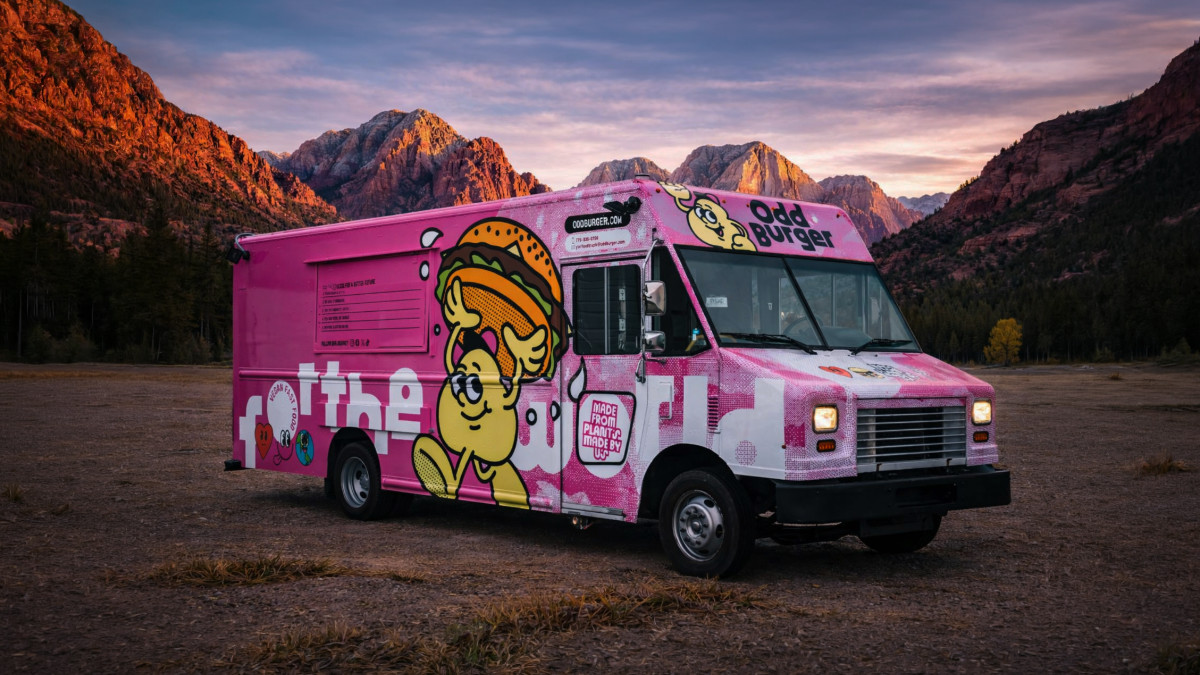
Used food trucks typically cost between $20,000 and $200,000, depending on the vehicle type, kitchen equipment, age, and condition. Most buyers land somewhere in the $40,000-$80,000 range for a solid, ready-to-go truck.
But here's what catches a lot of first-time buyers off guard: the sticker price is only part of the picture. Once you factor in equipment repairs, branding, permits, and insurance, the total cost to get a used food truck "street ready" can be 1.5x to 2x the purchase price. That $45,000 truck? It often becomes a $75,000-$90,000 investment before you serve your first customer.
Whether you're launching your first mobile food business or adding to an existing operation, buying used is the most common (and smartest) way to get started. We put this guide together to break down what you can actually expect to pay, what drives the price up or down, and where to find the best deals.
Price Ranges by Food Truck Type
Not all food trucks are created equal. The type of vehicle and how much kitchen build-out is included are the two biggest factors in what you'll pay.
| Type | Price Range | Best For |
|---|---|---|
| Food trailer (towed) | $5,000 - $40,000 | Low-budget startups, events, catering |
| Step van conversion | $20,000 - $50,000 | Budget-friendly mobile kitchen |
| Pre-owned food truck (equipped) | $40,000 - $100,000 | Ready-to-operate business |
| Custom-built food truck | $80,000 - $200,000+ | High-volume, full-menu operations |
| Food bus / large format | $50,000 - $150,000 | Large events, breweries, permanent locations |
A food trailer is the cheapest way to get into the business. You can find basic concession trailers for under $10,000, though well-equipped trailers with full kitchens run $20,000-$40,000. If you're just testing the waters, this is a great place to start.
Step van conversions (think used P30, Utilimaster, or Grumman) are popular because the base vehicle is affordable and the box shape makes it easy to build out a kitchen. Expect to pay $20,000-$50,000 depending on what equipment is included.
Pre-owned food trucks that were previously operated as a food business are often the best value. They come with kitchen equipment already installed and usually include a generator, water tanks, and exhaust systems. Prices vary widely based on equipment quality and vehicle condition, but this is where most serious buyers end up.
What Drives the Price of a Used Food Truck?
These are the factors that move the needle the most:
- Vehicle age and mileage, newer trucks with lower mileage naturally command higher prices. A truck with 50,000 miles will cost significantly more than one with 200,000 miles, all else being equal.
- Kitchen equipment, a truck with commercial-grade fryers, a flat-top grill, refrigeration, and a hood/exhaust system is worth far more than an empty shell. Equipment alone can account for $15,000-$50,000 of the price.
- Generator, a built-in commercial generator (typically 7-20kW) adds $3,000-$10,000 to the value. Some trucks rely on shore power only, which seriously limits where you can set up.
- Vehicle condition, rust, mechanical issues, and worn-out tires or brakes will lower the asking price but increase your total cost of ownership. A clean truck with maintenance records is always worth paying a bit more for.
- Location, food trucks in major metro areas like Los Angeles, Austin, New York, and Miami tend to cost more because of higher demand. You'll often find better deals in smaller markets.
- Permits and compliance, a truck that's already been inspected and permitted by a local health department has real added value. Getting permitted from scratch can cost thousands and take weeks.
Kitchen Equipment: What's Inside and What It's Worth
The kitchen build-out typically accounts for $20,000-$50,000 of a used food truck's total value. Knowing what each piece of equipment is actually worth helps you figure out whether a truck is priced fairly:
| Equipment | New Price | Used Value | What to Check |
|---|---|---|---|
| Commercial griddle | $2,000 - $5,000 | $800 - $1,500 | Burner uniformity, surface pitting |
| Deep fryer (x2) | $1,500 - $3,000 | $600 - $1,200 | Thermostat accuracy, oil vat leaks |
| Reach-in refrigerator | $2,500 - $4,500 | $1,000 - $1,800 | Gasket integrity, compressor cycles |
| Prep table (refrigerated) | $1,800 - $3,500 | $700 - $1,400 | Temperature maintenance in top wells |
| Exhaust hood + fire suppression | $5,000 - $10,000 | $2,500 - $5,000 | Fan motor noise, grease accumulation |
| 3-compartment sink + hand wash | $1,500 - $3,000 | $500 - $1,200 | Plumbing connections, drain condition |
| Generator (7-12kW) | $5,000 - $10,000 | $2,000 - $5,000 | Run hours, load test all equipment at once |
If a truck is missing a certified fire suppression system (Ansul), that's a major red flag. Retrofitting one runs $5,000-$10,000, and it's required in nearly every jurisdiction for grease-producing cooking. If the truck doesn't have one, make sure you factor that into your offer.
Same goes for plumbing. A truck without NSF-certified sinks or proper water tank separation (gray water tank must be at least 15% larger than fresh water supply) will need $3,000-$5,000 in work to pass health inspections.
Major Mechanical Repairs: The Biggest Financial Risk
The chassis is where the biggest financial surprises tend to hide. An engine or transmission failure doesn't just cost thousands in parts and labor, it shuts down your entire business while the truck sits in the shop. Trucks with over 150,000 miles carry a significantly higher risk of a major driveline failure within the first year of ownership.
| Component | Used/Rebuilt Cost | New/OEM Cost | Labor |
|---|---|---|---|
| Transmission | $1,800 - $3,400 | $3,000 - $7,500 | $500 - $1,200 |
| Engine | $1,500 - $4,000 | $3,000 - $7,000+ | $500 - $1,500 |
| Frame rust repair | $2,000 - $15,000 | N/A | Included |
Think about it this way: a used truck purchased for $40,000 with a failing transmission is really a $46,000-$48,000 investment before any kitchen work even begins. A pre-purchase mechanical inspection ($100-$200) is honestly the best money you'll spend. It can save you from a five-figure surprise.
Hidden Costs to Budget For
The sticker price is just the beginning. Budget for these additional costs before you buy:
| Expense | Estimated Cost | Frequency |
|---|---|---|
| Business permits & licenses | $500 - $5,000 | Annual |
| Commissary kitchen rental | $400 - $1,500/mo | Monthly |
| General liability insurance | $1,000 - $2,000 | Annual |
| Commercial auto insurance | $3,500 - $6,000+ | Annual |
| Equipment / inland marine insurance | $500 - $1,500 | Annual |
| Vehicle wrap / branding | $2,500 - $5,000 | One-time |
| POS system & technology | $1,000 - $3,000 | One-time + fees |
| Fire suppression system (if missing) | $5,000 - $10,000 | One-time |
| Health department inspection | $200 - $1,000 | Annual |
| Propane & generator fuel | $300 - $800/mo | Monthly |
| Maintenance & repairs | $2,000 - $5,000 | Annual |
Insurance is more expensive than most people expect. You'll need multiple policies: general liability for injuries at your truck, commercial auto for the vehicle itself, and inland marine/equipment coverage for the kitchen assets. Most event organizers and municipalities require at least $1,000,000 in liability coverage. All in, annual insurance costs for a single-unit operator typically run $5,000-$9,000.
Commissary costs add up fast. Most cities require food trucks to operate out of a licensed commissary kitchen for food prep, storage, and waste disposal. That runs $400-$1,500 per month depending on your market. On top of that, you'll need somewhere to park the truck when it's not in use. Secure parking at a commissary or industrial lot can add another $150-$500 per month.
What to Inspect Before Buying
A used food truck is both a vehicle and a commercial kitchen, so you really need to inspect both sides thoroughly. Don't skip any of this:
Vehicle inspection
- Get a pre-purchase inspection from a diesel or commercial vehicle mechanic
- Check for frame rust and undercarriage corrosion
- Test brakes, suspension, and steering
- Verify the engine runs clean (no excessive smoke or unusual noises)
- Pull a vehicle history report (Carfax or equivalent)
- Check tire condition and age
Kitchen & equipment inspection
- Turn on every piece of equipment and verify it heats, cools, or functions properly
- Inspect the exhaust hood and fire suppression system. A Type I hood is required for any grease-producing cooking, and replacing a non-compliant fire suppression system costs $5,000-$10,000
- Check plumbing lines, fresh water tank, and gray water tank for leaks
- Test the generator under load (run all equipment simultaneously)
- Look for grease buildup, which can indicate poor maintenance
- Verify electrical panels and wiring are up to code. Watch for "daisy-chained" power strips or exposed wiring, which are fire hazards and automatic inspection failures
- Confirm the truck can pass your local health department inspection
Propane & gas safety
- Propane cylinders must be stored in vented exterior cabinets, never inside the vehicle
- All gas-fired appliances must have automatic shut-off devices
- Test gas lines for leaks (use soapy water on connections and watch for bubbles)
- Replace any brittle or cracked gas hoses immediately
How Long Until You Break Even?
This is the question everyone wants answered. With a total investment of $75,000-$100,000 (truck + equipment + startup costs), most food truck operators follow a timeline like this:
| Milestone | Typical Timeline | Focus |
|---|---|---|
| Initial launch | Months 1 - 3 | High-visibility events, building social media following, refining menu |
| Operational break-even | Months 6 - 12 | Monthly revenue covers all operating costs (food, fuel, labor, commissary) |
| Full capital ROI | Months 18 - 36 | Total profit exceeds your initial investment |
Monthly operating expenses, including food costs (25-35% of revenue), labor, fuel, and commissary fees, typically run $2,000-$10,000+ depending on volume. The big advantage of buying used is lower debt service, which means a faster path to profitability compared to financing a $200,000+ new build.
Where to Find Used Food Trucks for Sale
We recommend casting a wide net. Each marketplace has different strengths, and the best deals don't always show up where you'd expect:
- Haulver, our marketplace, built specifically for commercial trucks. Browse food trucks with detailed specs and seller contact info.
- UsedFoodTrucks.com, a dedicated food truck marketplace with a large selection of used units across the country.
- Commercial Truck Trader, large inventory of commercial vehicles including food trucks. Good filters for price, year, and location.
- eBay Motors, nationwide listings with buyer protection. Good for finding deals from private sellers across the country.
- Craigslist, best for finding local deals and negotiating directly with sellers. Prices tend to be lower but require more due diligence.
- Facebook Marketplace, growing selection of food trucks from local sellers. Easy to message sellers and check out their profiles.
- Truck Paper, focused on commercial trucks and trailers. Strong dealer inventory.
Frequently Asked Questions
How much does a used food truck cost?
Used food trucks typically cost between $20,000 and $200,000. A basic used step van conversion starts around $20,000-$50,000, while a fully equipped custom-built food truck can run $100,000-$200,000 or more. The price depends on the vehicle's age, mileage, kitchen equipment, and overall condition.
Is it cheaper to buy a used food truck or build one from scratch?
Buying a used food truck that is already equipped is usually cheaper and faster than building from scratch. A custom build on a new chassis can cost $100,000-$250,000+ and take 3-6 months. A used truck with existing equipment typically costs $30,000-$100,000 and is ready to go much sooner, though you may need to budget for repairs or upgrades.
What are the hidden costs of owning a food truck?
Beyond the purchase price, hidden costs include business permits and licenses ($500-$5,000/year), commissary kitchen rental ($400-$1,500/month), insurance (general liability, commercial auto, and equipment coverage) totaling $5,000-$9,000/year, vehicle wrapping ($2,500-$5,000), POS system ($1,000-$3,000), and fire suppression system retrofit ($5,000-$10,000 if missing). The total cost to get a used truck street-ready is often 1.5x to 2x the purchase price.
How long does it take for a food truck to break even?
Most food truck operators reach operational break-even (monthly revenue covers all costs) within 6-12 months, and recover their full capital investment within 18-36 months. A used truck with a total investment of $75,000-$100,000 can achieve faster ROI than a $200,000+ new build due to lower debt service.
What should I inspect before buying a used food truck?
Before buying, inspect the engine and transmission (get a mechanic's inspection), check for rust on the frame and undercarriage, test all kitchen equipment (fryers, grills, refrigeration, exhaust hood), verify the generator or electrical system works, check plumbing and water tanks, confirm the truck meets local health department requirements, and review maintenance records and the vehicle history report.
Where can I find used food trucks for sale?
You can find used food trucks on Haulver, which specializes in commercial trucks, as well as on marketplaces like Commercial Truck Trader, eBay Motors, Craigslist, Facebook Marketplace, and Truck Paper. Specialty food truck brokers and local restaurant equipment dealers are also good sources.
Ready to find your food truck?
Browse used food trucks for sale on Haulver. Filter by price, location, and equipment to find the right one for your business.
Browse Food Trucks